Transmission problems rarely show up overnight. Most of the time, they begin with small changes that are easy to overlook. A slight hesitation, a delayed shift, or a different feel when accelerating may not seem urgent when the car still drives. That is often when service gets pushed aside.
Delaying transmission service is where those small changes turn into larger, more expensive repairs. The system depends heavily on fluid condition and internal timing, and once that starts slipping, wear builds quickly.
Transmission Fluid Breaks Down Over Time
Transmission fluid plays a critical role in lubrication, cooling, and hydraulic pressure. It allows gears to engage smoothly and protects internal components.
As the fluid ages, it loses its ability to handle heat and friction. It can become contaminated with debris from normal wear and tear. Once that happens, shifting becomes less precise, and internal parts begin to operate under greater stress.
Early Shifting Changes Are A Warning Sign
One of the first signs of delayed service is a change in shifting. You might feel a slight delay when accelerating or notice that gear changes are not as smooth as before.
These changes are easy to ignore because the vehicle is still drivable. That does not mean the transmission is fine. It means the system is already compensating for wear or fluid breakdown.
Heat Builds Up Faster With Old Fluid
Heat is one of the biggest enemies of a transmission. Fresh fluid helps control temperature, but degraded fluid struggles to do that effectively.
As heat increases, internal components wear faster. Seals can harden, clutch materials can break down, and the transmission's overall lifespan can shorten. Once overheating becomes a factor, repairs become more complex.
Internal Wear Does Not Stay Isolated
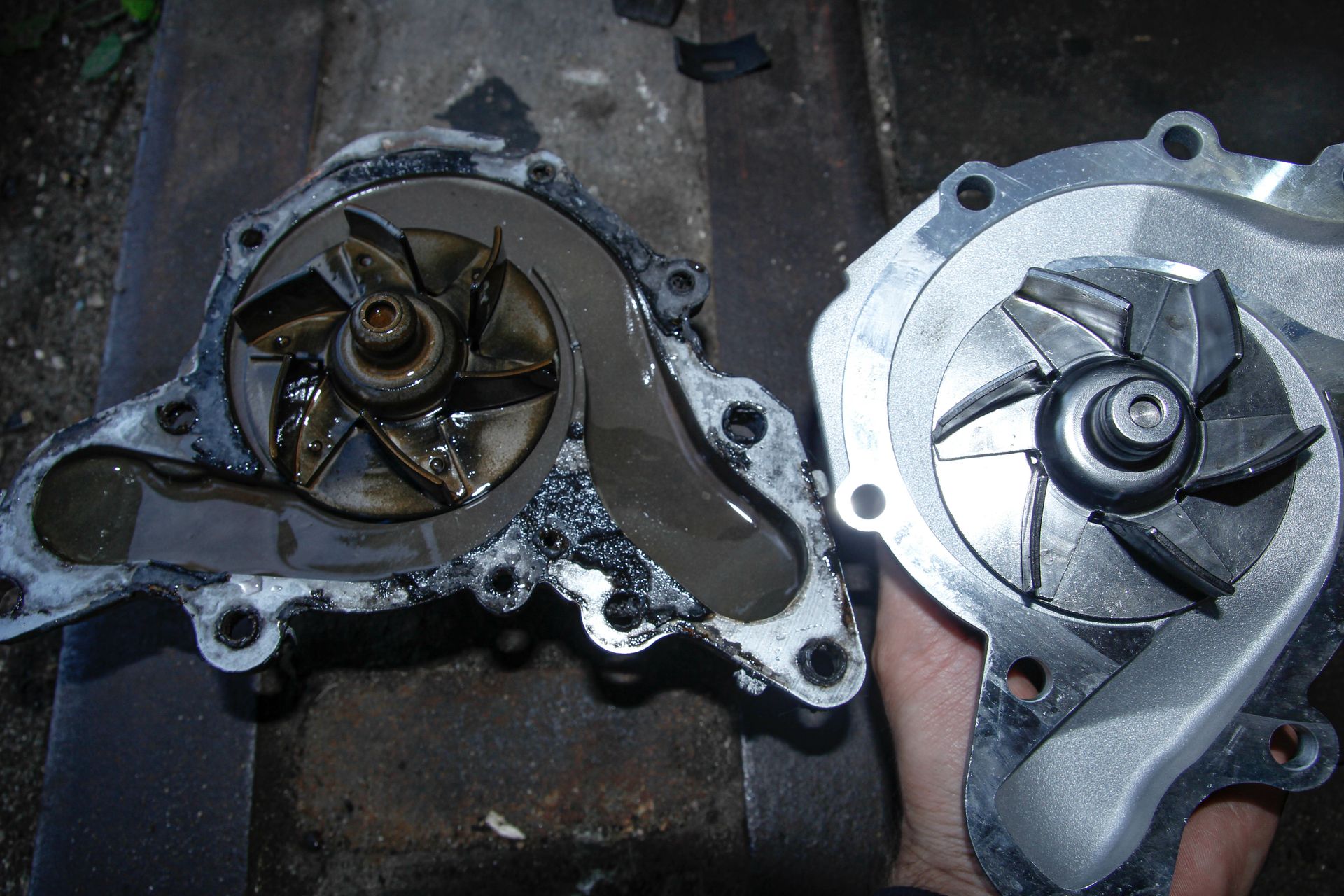
Transmission wear tends to spread. A worn clutch pack or contaminated fluid does not affect just one part. It moves through the system and affects multiple components.
That is why delaying service rarely keeps the problem contained. What could have been addressed with fluid service or a minor repair can grow into a much larger issue involving multiple internal parts.
Warning Signs That Should Not Be Ignored
Transmission problems often give early signals before failure. Paying attention to those signs can help prevent more serious damage.
Common warning signs include:
- Delayed or rough shifting
- Slipping between gears
- Unusual noises during gear changes
- Burning smell from the transmission
- Fluid that appears dark or dirty
These signs point to the need for an inspection before the problem worsens.
Why Waiting Leads To Higher Repair Costs
Transmission service is far less expensive than transmission repair. Skipping service allows wear to build up until parts begin to fail. Once that happens, repairs can involve disassembly, replacement components, or even a full rebuild.
That increase in cost is usually the result of delay, not the original problem. Acting early helps keep the repair more manageable.
How Regular Maintenance Protects The Transmission
Regular maintenance helps keep fluid clean, temperatures controlled, and internal components working properly. Following service intervals based on your driving habits gives the transmission a better chance of lasting longer.
An inspection during routine service can also catch early signs of wear. That allows for smaller corrections instead of waiting for a larger failure.
When To Schedule Transmission Service
If your vehicle is due for service based on mileage, or you have started noticing changes in shifting, it is time to schedule service. Even if the issue feels minor, it is worth checking before it develops further.
Consistent service is one of the most effective ways to avoid major transmission problems.
Get Transmission Service In Tampa, FL, With DAS Auto Werks
If your transmission has started shifting differently or you are unsure when it was last serviced, DAS Auto Werks in Tampa, FL, can inspect your system and recommend the right service to keep it performing properly.