Volkswagen and Audi feel different from the driver’s seat, but under the hood, they share more than many owners realize. The badge, trim, cabin, and performance level may change. The maintenance patterns often look very familiar.
Same family. Different personality.
Both brands are part of the Volkswagen Group, so certain engines, transmissions, electronics, sensors, fluids, and service procedures can overlap. That does not mean every VW and Audi is the same car. It does mean the maintenance approach must respect the shared engineering underpinning both brands.
Shared Engines Mean Shared Service Habits
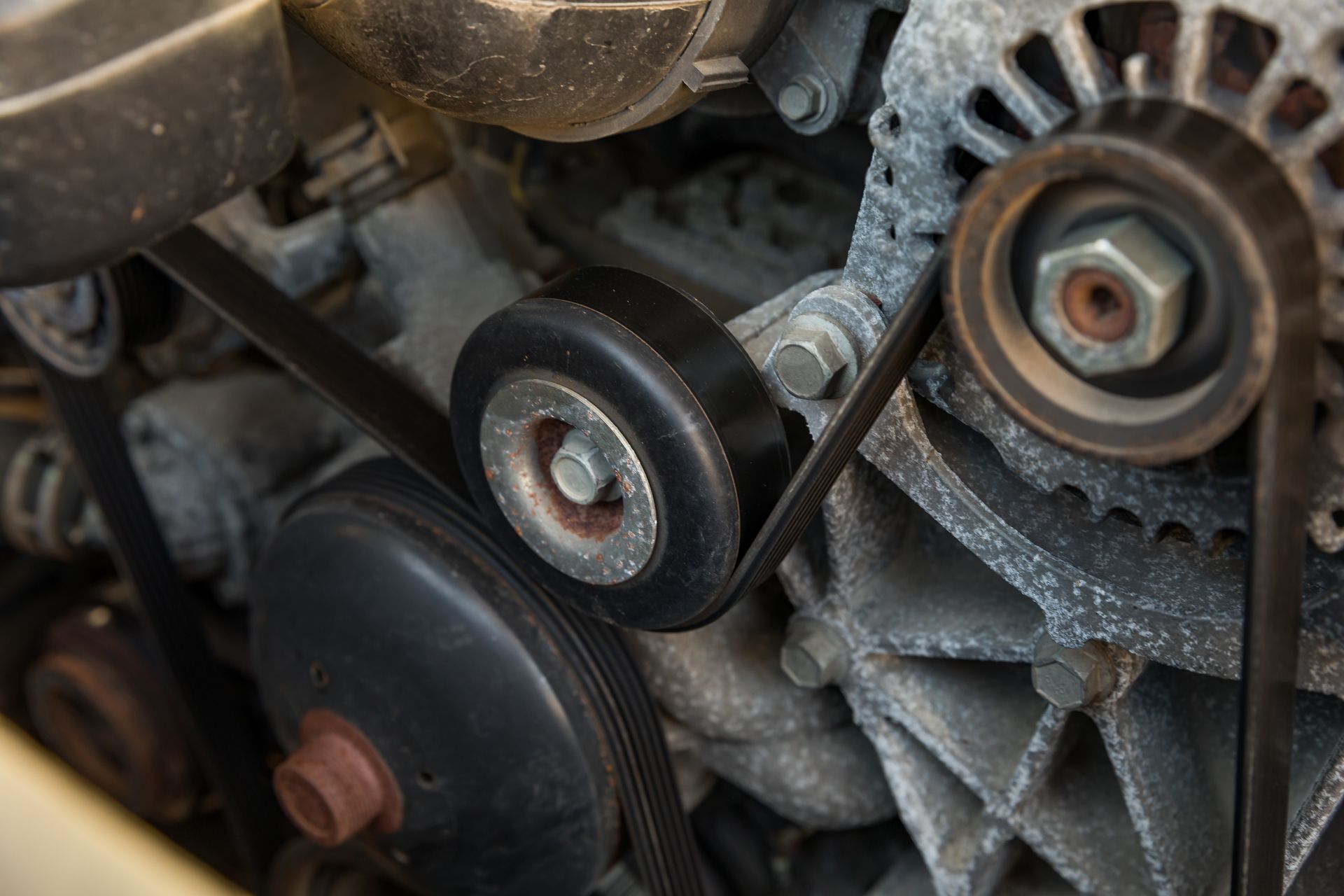
Many VW and Audi models use turbocharged, direct-injection engines. These engines can be strong and efficient, but they depend on the correct oil, clean filters, good cooling, and timely service. Skipping basics can create the same kinds of problems for both brands.
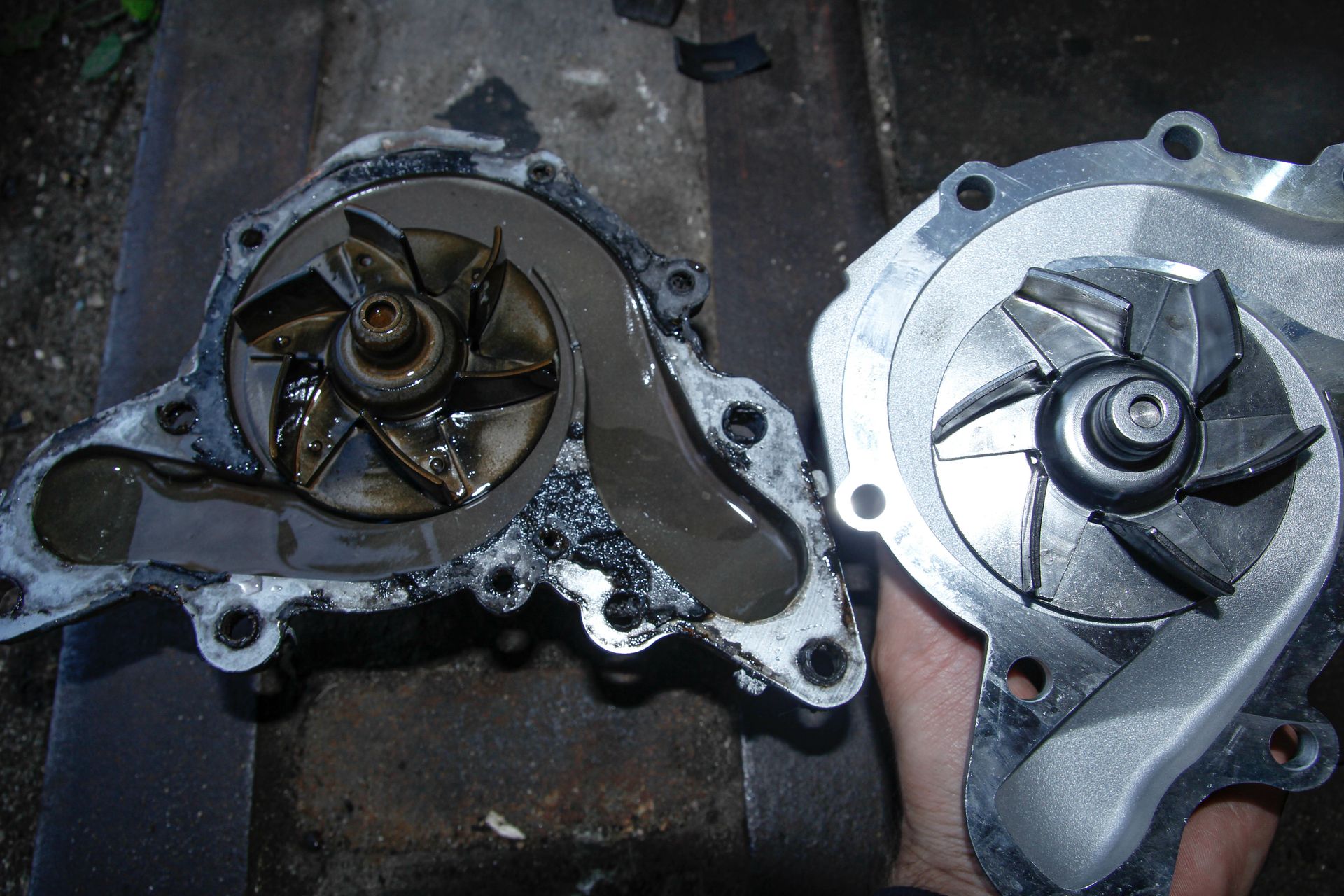
Oil leaks, coolant seepage, ignition coil issues, carbon buildup, PCV problems, and water pump concerns can occur across certain VW and Audi models. The exact repair depends on the engine, but the pattern is familiar.
We pay close attention to the engine code and service history because two cars that look similar from the outside may still have different parts, updates, or repair procedures.
Oil Specs Are Not A Place To Improvise
VW and Audi engines are picky about oil. The correct viscosity is only part of the story. The oil also needs to meet the right manufacturer specification. That can affect turbocharger protection, timing components, emissions systems, and oil flow through small passages.
Using the wrong oil may not make noise right away. That is what makes it risky. The engine may keep running while deposits, sludge, or wear slowly build in the background.
A good oil service on either brand should include the correct oil, a quality filter, a leak check, and a look at the oil level history. If the engine uses oil between services, that trend should be tracked rather than treated as a random quirk.
Turbo And Direct-Injection Issues Can Overlap
Turbocharged VW and Audi engines need clean oil and a sealed intake system. A small boost leak, a worn diverter valve, a cracked hose, or a sensor issue can make the car feel flat during acceleration. Drivers may notice a whistle, hesitation, or a check engine light before the problem feels serious.
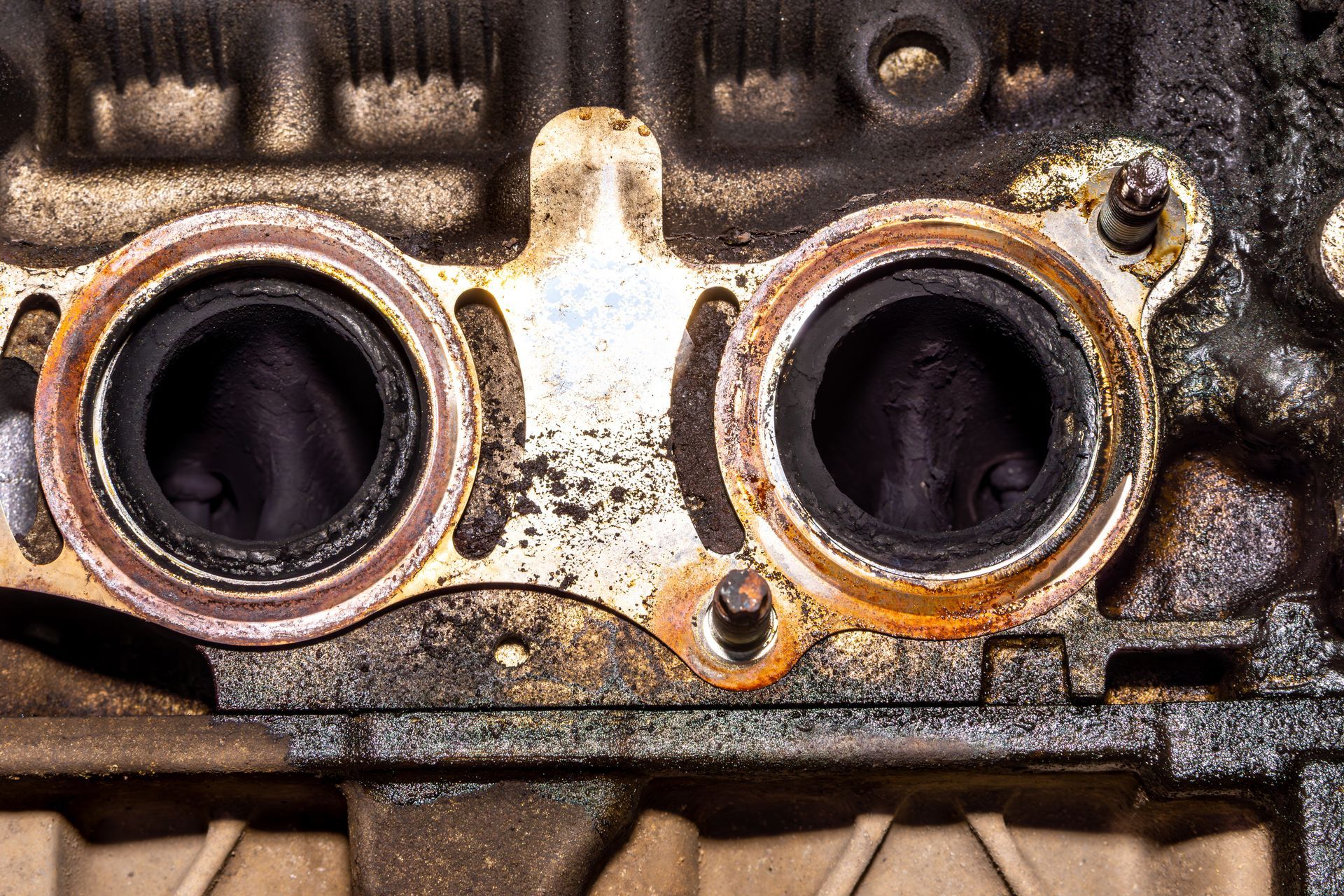
Direct injection can also bring carbon buildup concerns on some engines. Because fuel does not wash over the intake valves as it does in older port-injected engines, deposits can accumulate over time. That may show up as rough idle, misfires, hard starts, or weaker response.
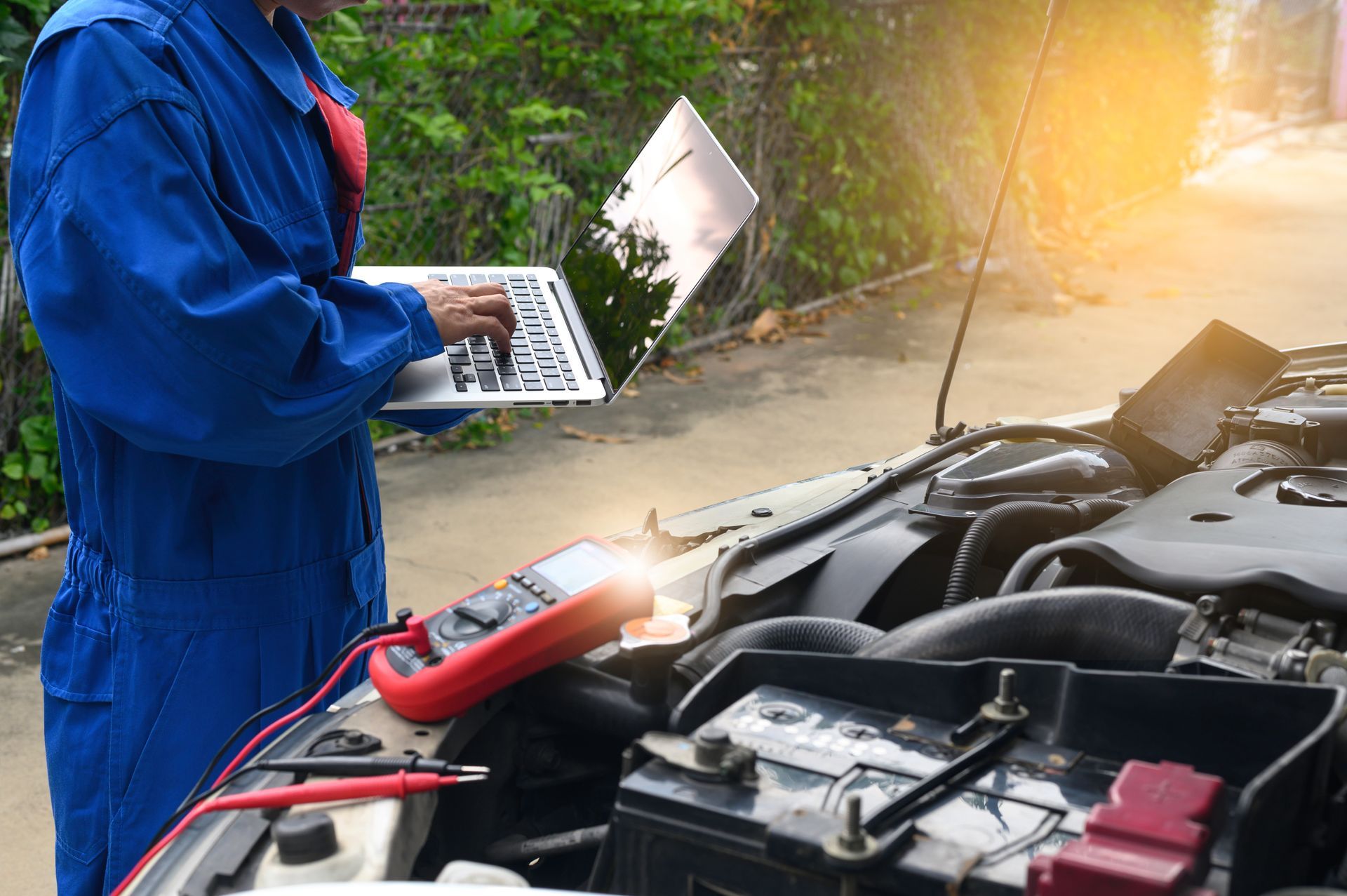
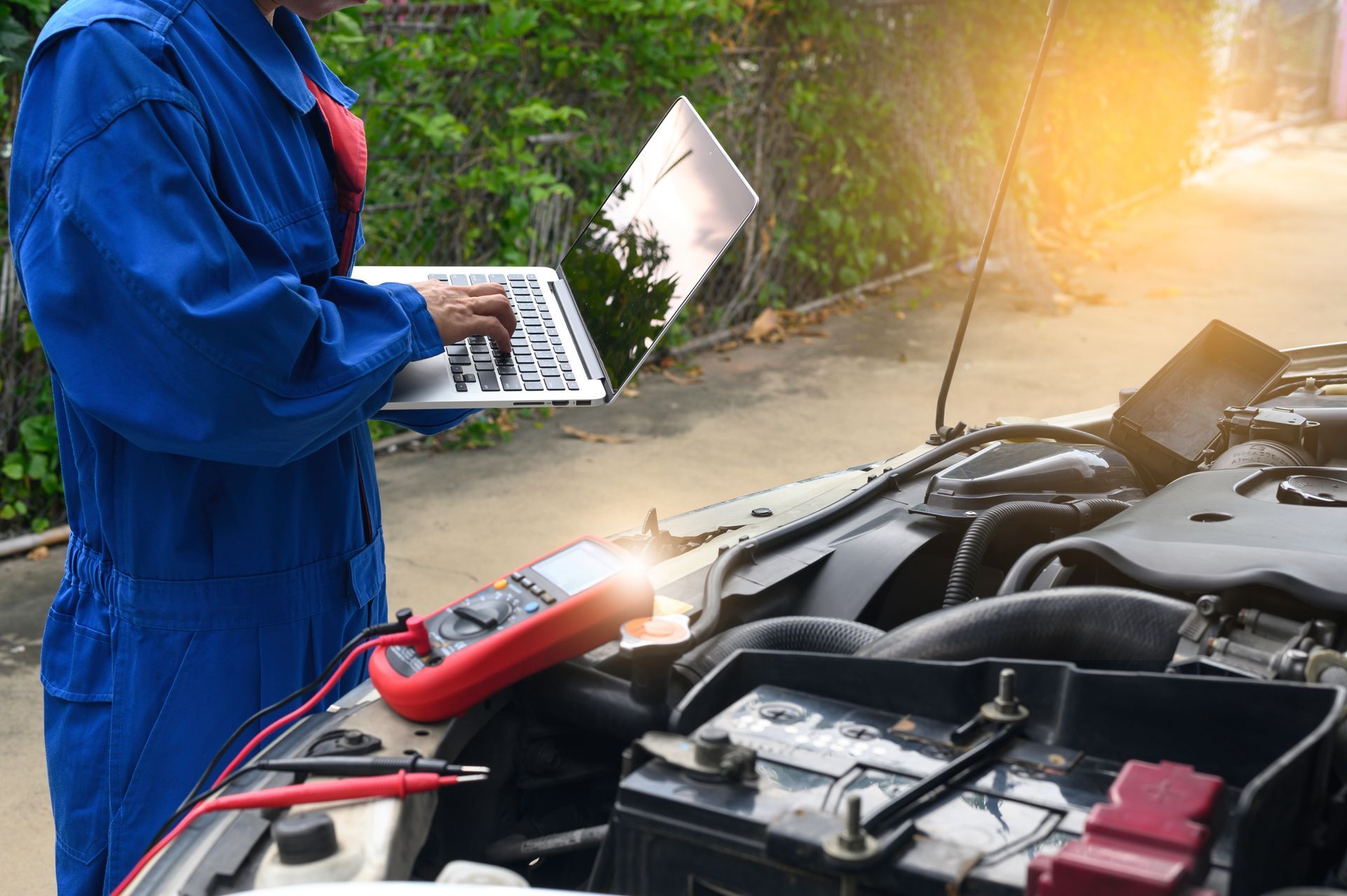
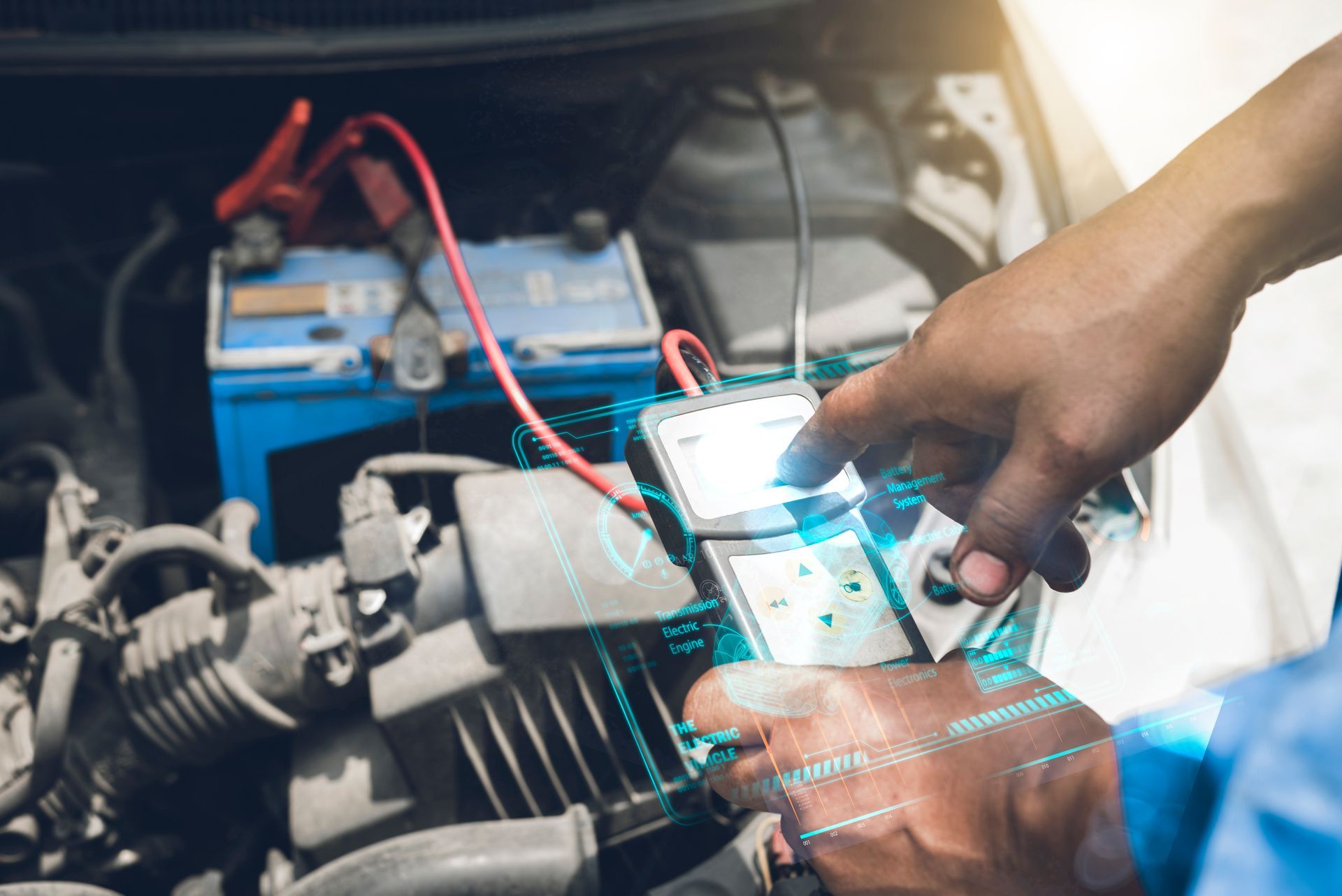
This is one of those areas where regular maintenance and good diagnostic work save time. A rough-running engine is not always just spark plugs. It may be airflow, carbon, fuel, ignition, or software data pointing to the real cause.
DSG And S Tronic Service Are Closely Related
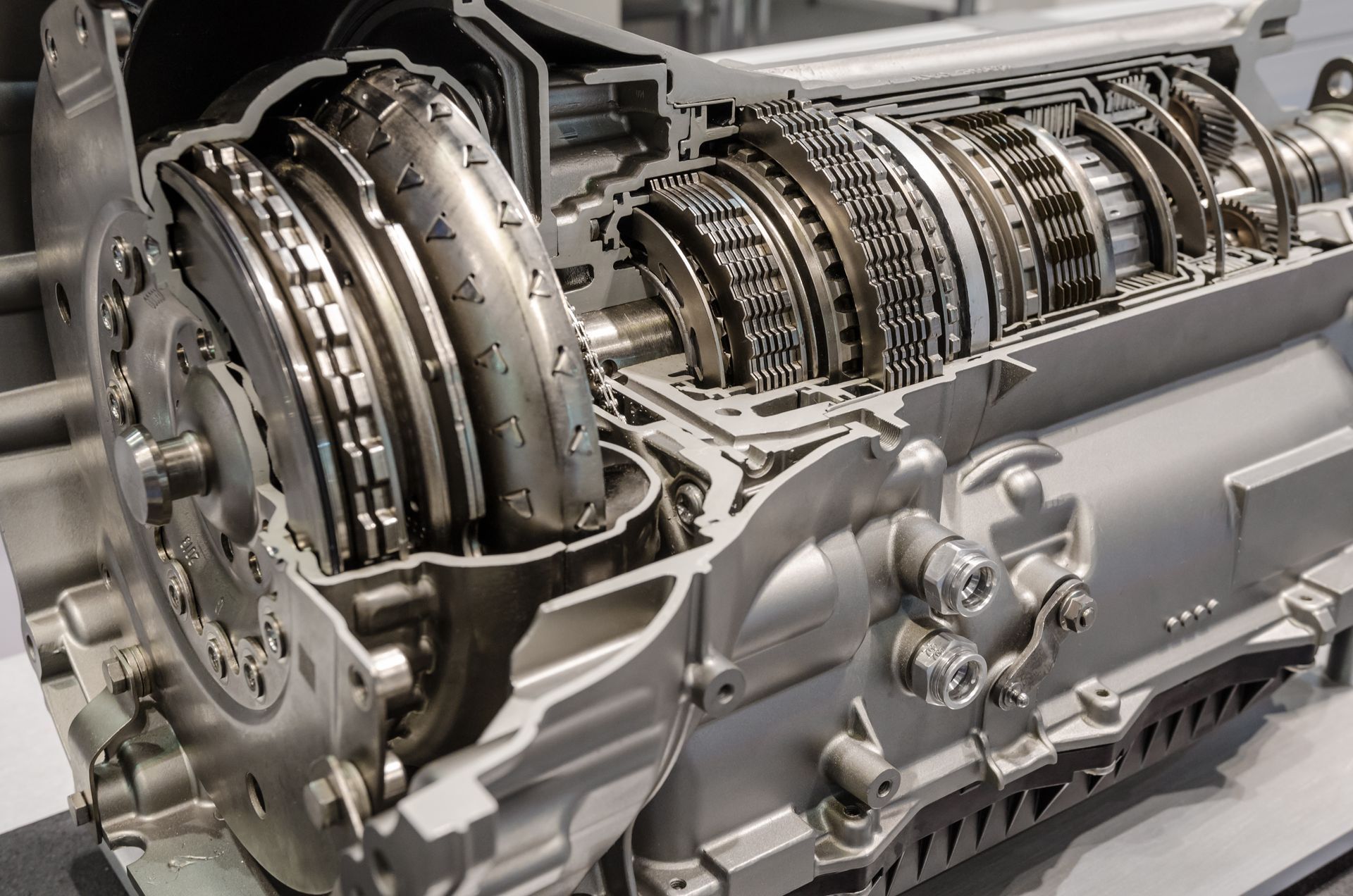
Volkswagen’s DSG and Audi’s S tronic transmissions are closely related in many applications. They can shift quickly and feel great when maintained correctly. They also need the right fluid service at the right interval.
Old fluid, wrong fluid, or delayed service can lead to harsh engagement, shuddering, delayed shifts, or warning messages. These transmissions are not serviced like a basic automatic, and the procedure has to be done correctly.
If the car hesitates from a stop, bumps into gear, or feels uneven at low speeds, the transmission should be checked before the symptom becomes normal to you.
Cooling System Parts Deserve A Close Look
VW and Audi cooling systems can include plastic housings, electric pumps, thermostats, coolant pipes, radiators, reservoirs, and multiple sensors. A small coolant leak may dry before reaching the ground, leaving only a sweet smell or a crusty residue.
Coolant loss is not something to keep topping off without finding the reason. Low coolant can lead to overheating, and overheating can make a manageable repair much worse.
During an inspection, our technicians look for dried coolant trails, pressure loss, fan operation, and temperature behavior. That helps separate a simple seep from a cooling issue that could put the engine at risk.
Suspension, Brakes, And Tires Tell Similar Stories
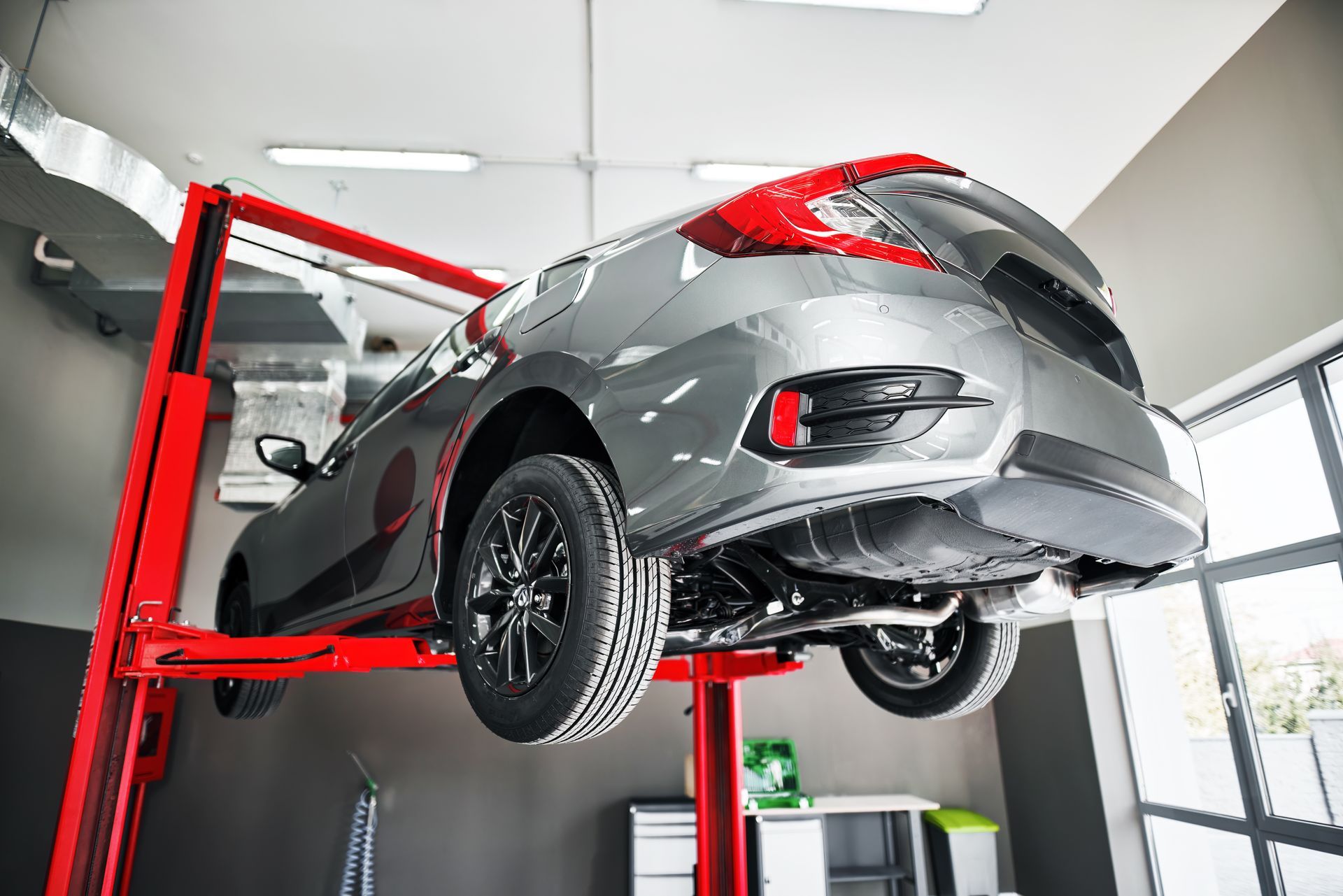
VW and Audi vehicles both reward a tight, well-maintained chassis. When bushings, control arms, struts, mounts, or links wear, the car can start feeling loose, noisy, or uneven. Tire wear often gives the first clear sign.
Inside-edge wear, cupping, vibration, or a steering wheel that no longer sits straight should not be brushed off. A new set of tires will not last if the alignment or suspension issue stays in place.
Brakes follow the same idea. Pad thickness, rotor condition, caliper movement, brake fluid, and hardware all affect how the car stops. A squeal, a shake, a hot smell, or a pedal change is worth checking early.
Get VW And Audi Maintenance In Tampa, FL, With DAS Auto Werks
If your Volkswagen or Audi is due for service, showing warning lights, leaking fluids, shifting strangely, or wearing tires unevenly, DAS Auto Werks in Tampa, FL, can check the shared systems and brand-specific details that affect both vehicles.
Schedule a visit and keep your VW or Audi maintained with the care these cars were built to need.