The cooling system has to move a tremendous amount of heat away from the engine every time you drive. Coolant travels continuously between the engine and radiator, and that circulation depends on several components working together under changing temperature and pressure.
When coolant begins disappearing, or the temperature gauge starts climbing, the source is not always obvious. Hoses, the radiator, thermostat, cooling fans, seals, and the water pump can produce overlapping symptoms, which makes careful inspection important before any one component is blamed.
What the Water Pump Does
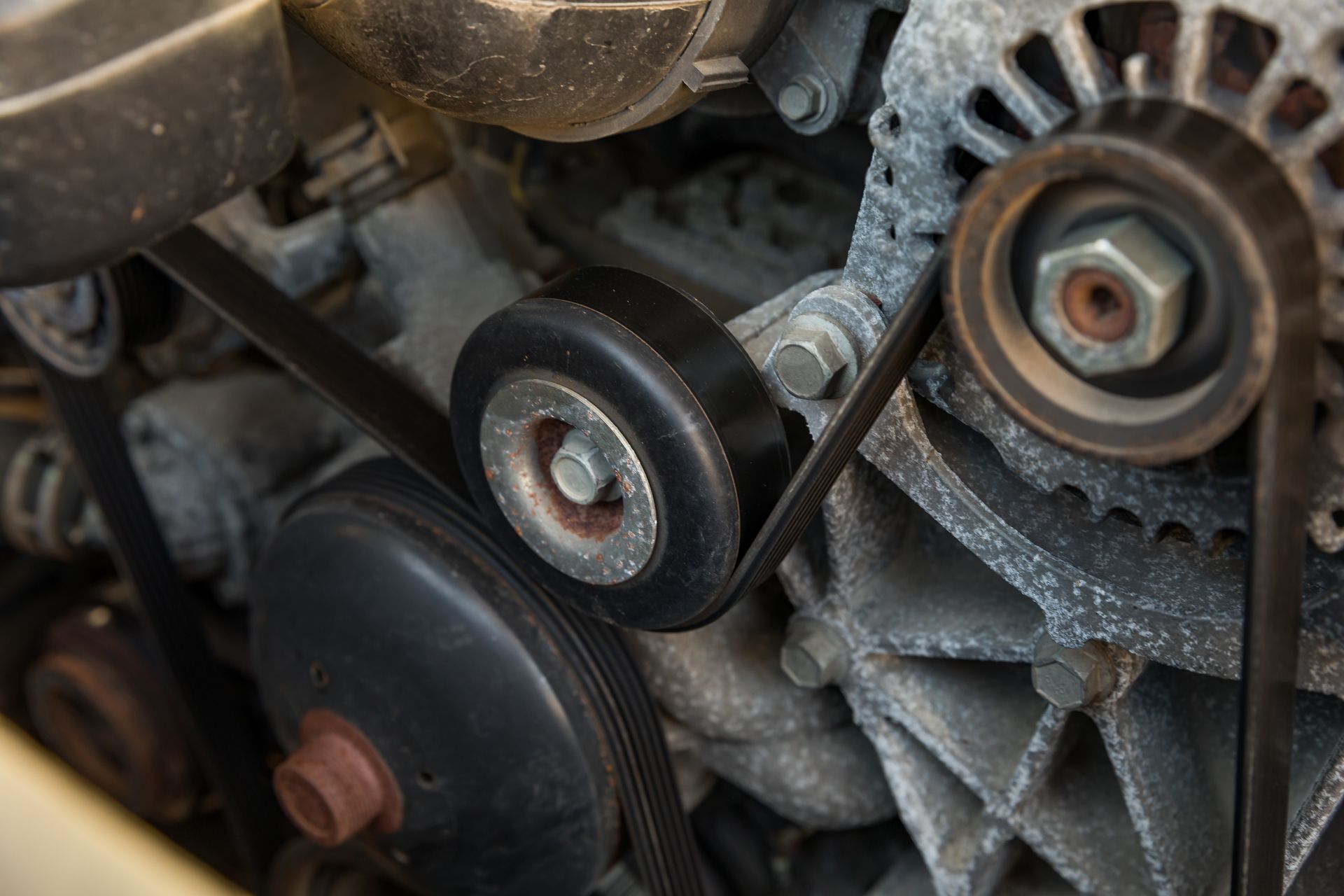
The water pump keeps coolant moving through the cooling system whenever the engine is operating. On many engines, it is driven by a serpentine belt or timing belt. Other vehicles use electrically driven water pumps controlled by the engine computer.
Inside a conventional pump is an impeller that moves coolant through the engine. The pump also contains bearings and seals that allow the shaft to rotate while keeping coolant inside the system. Wear in any of these areas can reduce pump performance or allow coolant to escape.
Why Water Pumps Start Leaking
A water pump seal has to hold back hot, pressurized coolant while the pump shaft spins thousands of times per minute. After years of heat cycles and operation, that seal can begin to deteriorate.
Many mechanical water pumps have a small weep hole designed to provide an escape path if the internal seal starts leaking. A small stain around this area can be an early warning, while an active drip usually indicates the pump is approaching the point where replacement is needed.
Coolant can also leak around the pump gasket or sealing surface where the water pump attaches to the engine. In those cases, the pump itself may still rotate correctly, but the sealing area is no longer keeping coolant contained.
A Failed Pump Can Cause Overheating Without a Major Leak
Not every bad water pump leaves coolant on the ground. The pump can lose its ability to circulate coolant even while the system remains relatively full.
An impeller can become damaged, corroded, loose on its shaft, or otherwise unable to move enough coolant through the engine. When circulation drops, heat remains concentrated in the engine rather than moving toward the radiator where it can be released.
This type of failure can be confusing because the coolant reservoir may still appear full. The engine overheats because the coolant is not flowing correctly, not because the system has necessarily lost a large amount of fluid.
Water Pump Bearings Can Give Warning Signs
Mechanical water pumps contain bearings that support the rotating shaft. As those bearings wear, they may create whining, grinding, rumbling, or other noises from the front or side of the engine.
Excessive bearing play can also allow the pulley to wobble. That movement can damage the water pump seal, throw a belt out of alignment, or place stress on other belt-driven components. If a timing belt drives the pump, a failing bearing can create an even more serious concern because the timing belt itself may be affected.
Common Signs of a Bad Water Pump
Water pump problems can appear in several different ways depending on the design and type of failure.
Possible signs include:
- Coolant leaking near the front or side of the engine
- Dried coolant residue around the pump
- Engine temperature rising higher than normal
- Overheating in traffic or under load
- Grinding or whining near the pump
- A wobbling water pump pulley
- Repeatedly low coolant level
- Steam or coolant odor after driving
None of these symptoms proves by itself that the water pump is bad. Thermostat problems, radiator restrictions, cooling fan faults, leaking hoses, and internal engine concerns can create similar overheating symptoms.
Why Overheating Should Be Taken Seriously
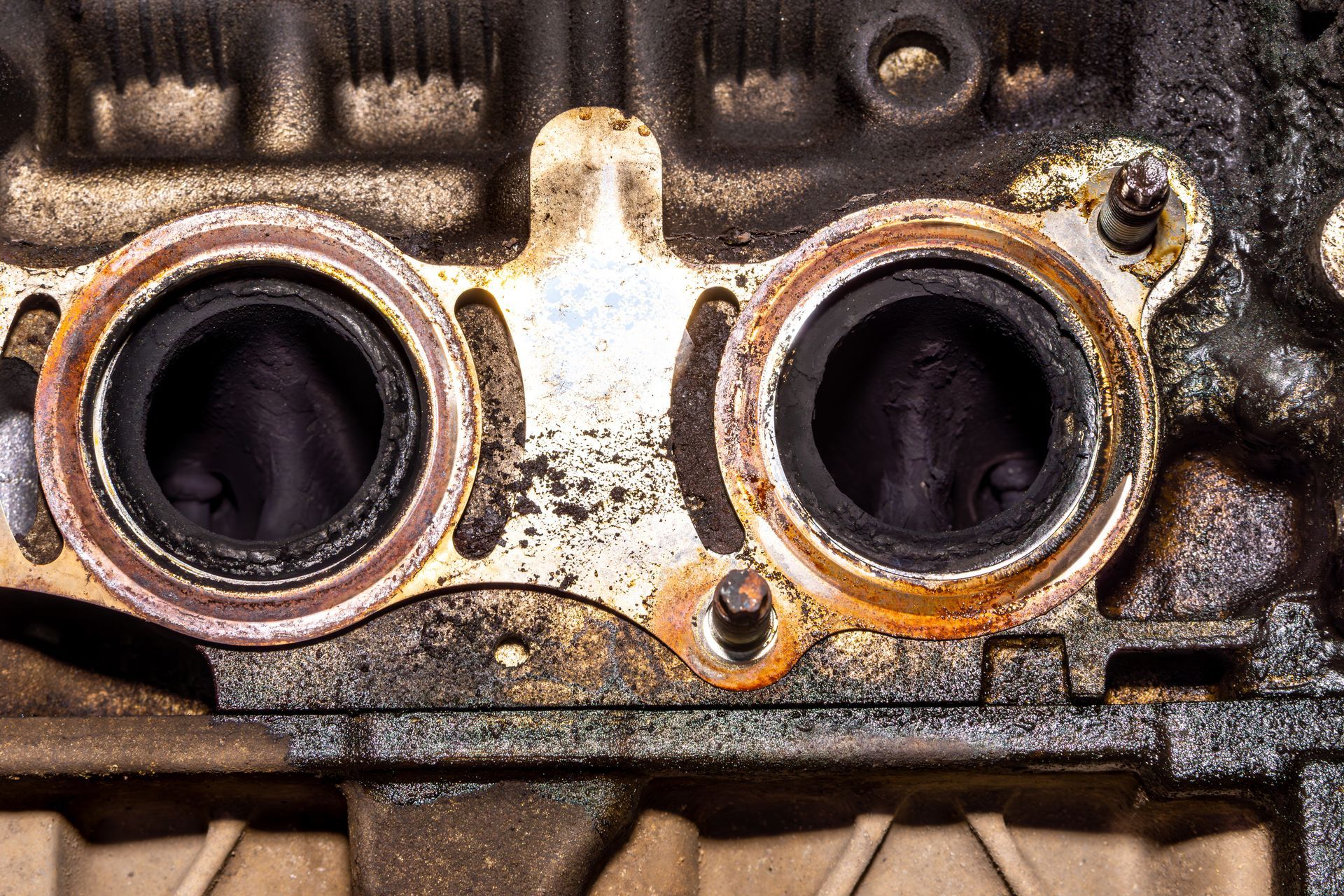
An overheating engine should not be driven until the cause is understood. Excessive heat can damage cylinder head gaskets, warp cylinder heads, affect plastic cooling system components, and create internal engine damage.
If the temperature gauge rises into the hot range or an overheating warning appears, stop the vehicle in a safe place and shut the engine down. Do not remove the radiator cap or open a pressurized cooling system while it is hot because boiling coolant can cause serious burns.
How Technicians Check a Suspected Water Pump
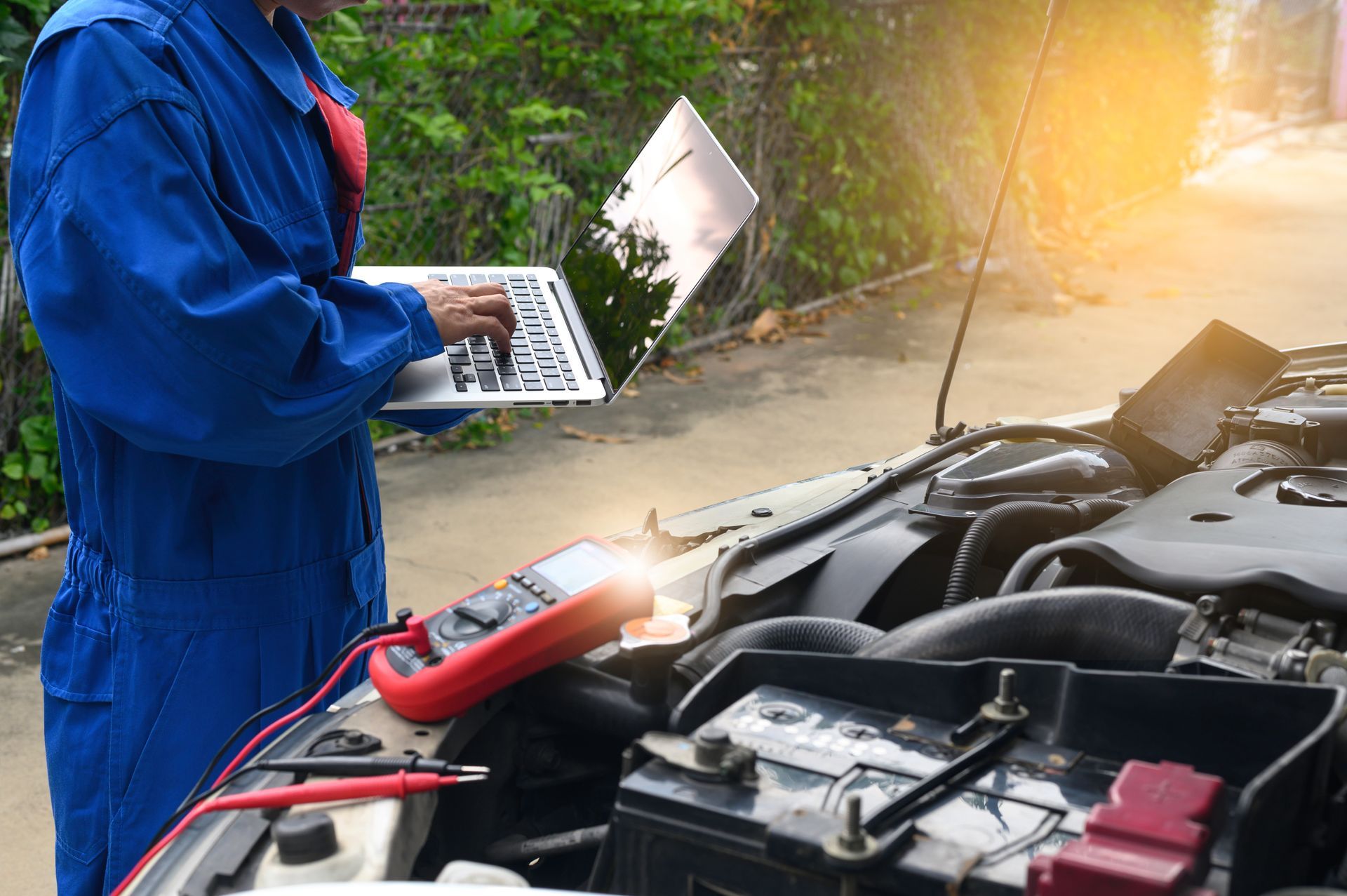
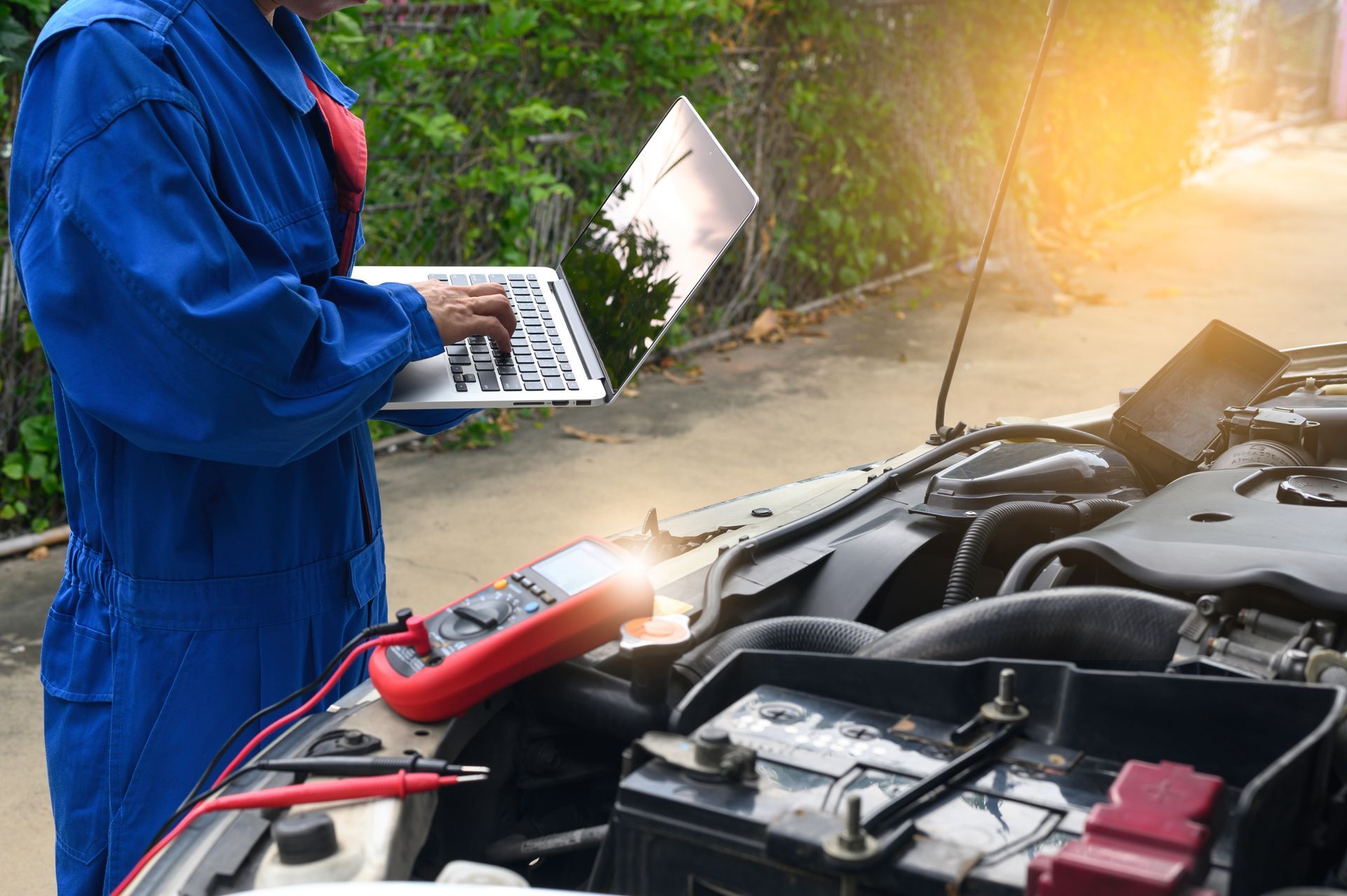
A technician may begin by inspecting the water pump area for fresh coolant, dried residue, pulley movement, or bearing noise. Cooling system pressure testing can help reveal leaks that are difficult to see when the engine is cold.
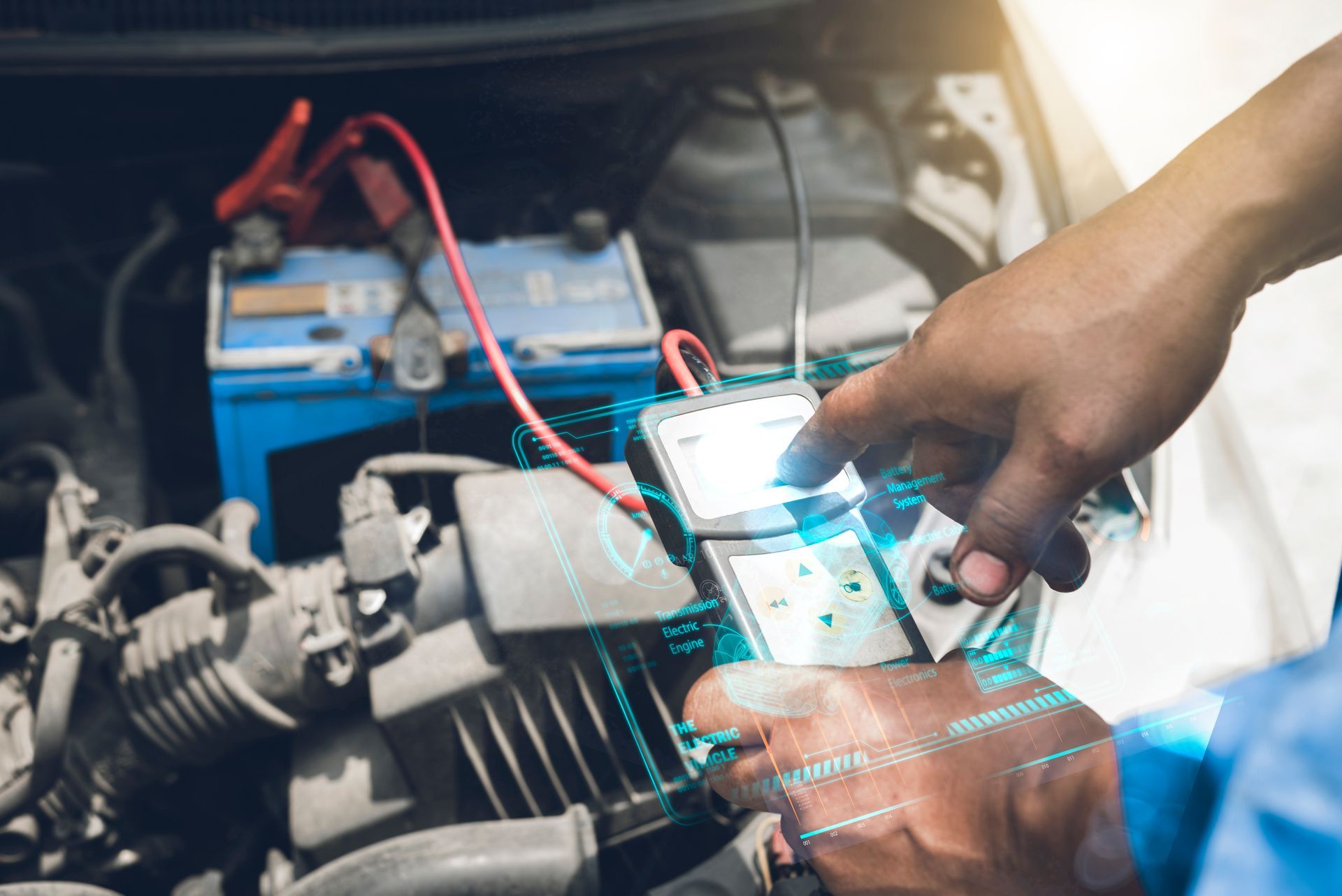
If circulation is the concern, technicians may compare engine temperatures, coolant flow, heater operation, radiator temperatures, and scan-tool data. Electric water pumps may also store fault codes or be commanded through diagnostic equipment depending on the vehicle. The goal is to separate a pump problem from other causes of overheating before replacing parts.
Timing Belt-Driven Water Pumps Need Extra Attention
On some engines, the timing belt drives the water pump. In those applications, water pump service can require much of the same disassembly as timing belt replacement.
That is why the pump is often replaced during scheduled timing belt service when the manufacturer or repair procedure supports doing so. A leaking or seized timing belt-driven water pump can damage the belt, and timing belt failure can cause serious internal engine damage on interference engines.
Electric Water Pumps Can Fail Differently
Some newer vehicles use electric water pumps instead of belt-driven pumps. These pumps can fail because of internal electronics, electric motor problems, communication faults, or mechanical wear.
A failed electric pump may cause overheating without producing traditional bearing noise or visible pulley problems. Diagnostic testing becomes especially important because the pump's commanded operation, electrical supply, and communication with the engine computer may all need to be checked.
Low Coolant Can Create Similar Symptoms
A leaking water pump can lower the coolant level, but low coolant can also come from radiator leaks, hoses, heater components, reservoirs, thermostats, or other parts of the system.
Repeatedly topping off coolant without finding the source is not a good long-term solution. Regular maintenance and inspection can catch small leaks before the coolant level falls far enough to cause overheating.
Get Water Pump Repair in Tampa, FL, With DAS Auto Werks
DAS Auto Werks in Tampa, FL, can inspect water pumps, cooling system leaks, thermostats, radiators, hoses, fans, and related components when coolant loss or overheating begins.
If your temperature gauge is running higher than normal, coolant keeps disappearing, or you have noticed a leak or unusual noise near the water pump,
contact us to schedule an inspection and cooling system service.