A lot of engine problems do not start with a dramatic breakdown. They start with something small that feels easy to ignore. Maybe the check engine light comes on, but the car still drives. Maybe the idle feels rough for a few days. Maybe there is a strange smell, a hesitation when accelerating, or a little less power than usual. At our shop, this is the point where a lot of drivers start hoping the problem will just clear up on its own.
Sometimes it does not.
The truth is that modern vehicles are very good at noticing when something is not right. The problem is that the warning signs do not always feel urgent at first. That is exactly why engine diagnostics matter. The earlier you figure out what is really causing the symptom, the better your chances of preventing a larger repair, more expensive damage, or a breakdown at the worst possible time.
Engine diagnostics are not just about plugging in a scan tool and reading a code. They are about understanding what the vehicle is trying to tell you, finding the real cause, and keeping a smaller issue from turning into a much bigger one.
The Check Engine Light Comes On
This is the most obvious warning sign, and it is also the one people most often try to drive around for too long. If the check engine light comes on, your car is already telling you that something needs attention. That does not always mean a major failure is happening right now, but it does mean the system has detected a problem serious enough to store a fault.
At our shop, we never recommend ignoring that light just because the car still feels drivable. Some check engine light issues are relatively minor. Others can affect fuel economy, emissions, engine performance, or long term reliability. The only way to know which kind you are dealing with is proper diagnostics.
If the light is flashing instead of staying steady, that is even more urgent. A flashing check engine light can mean an active misfire serious enough to damage the catalytic converter, which is not something to put off.
The Engine Is Running Rough
If the engine shakes, stumbles, hesitates, or idles unevenly, that is one of the clearest signs you need diagnostics sooner rather than later. A rough running engine can come from many different causes, including misfires, sensor failures, ignition problems, fuel delivery issues, vacuum leaks, or air intake problems.
The hard part for drivers is that different causes can feel similar from behind the wheel. That is exactly why guessing does not help much. Replacing random parts because the engine feels rough usually costs more in the long run than diagnosing it correctly the first time.
If the engine no longer feels smooth, it is trying to tell you something.
You Notice A Loss Of Power
A car that suddenly feels sluggish, weak, or slow to respond deserves attention. Sometimes that loss of power is gradual enough that drivers get used to it for a while. Other times, it shows up fast and makes the vehicle feel totally different from one day to the next.
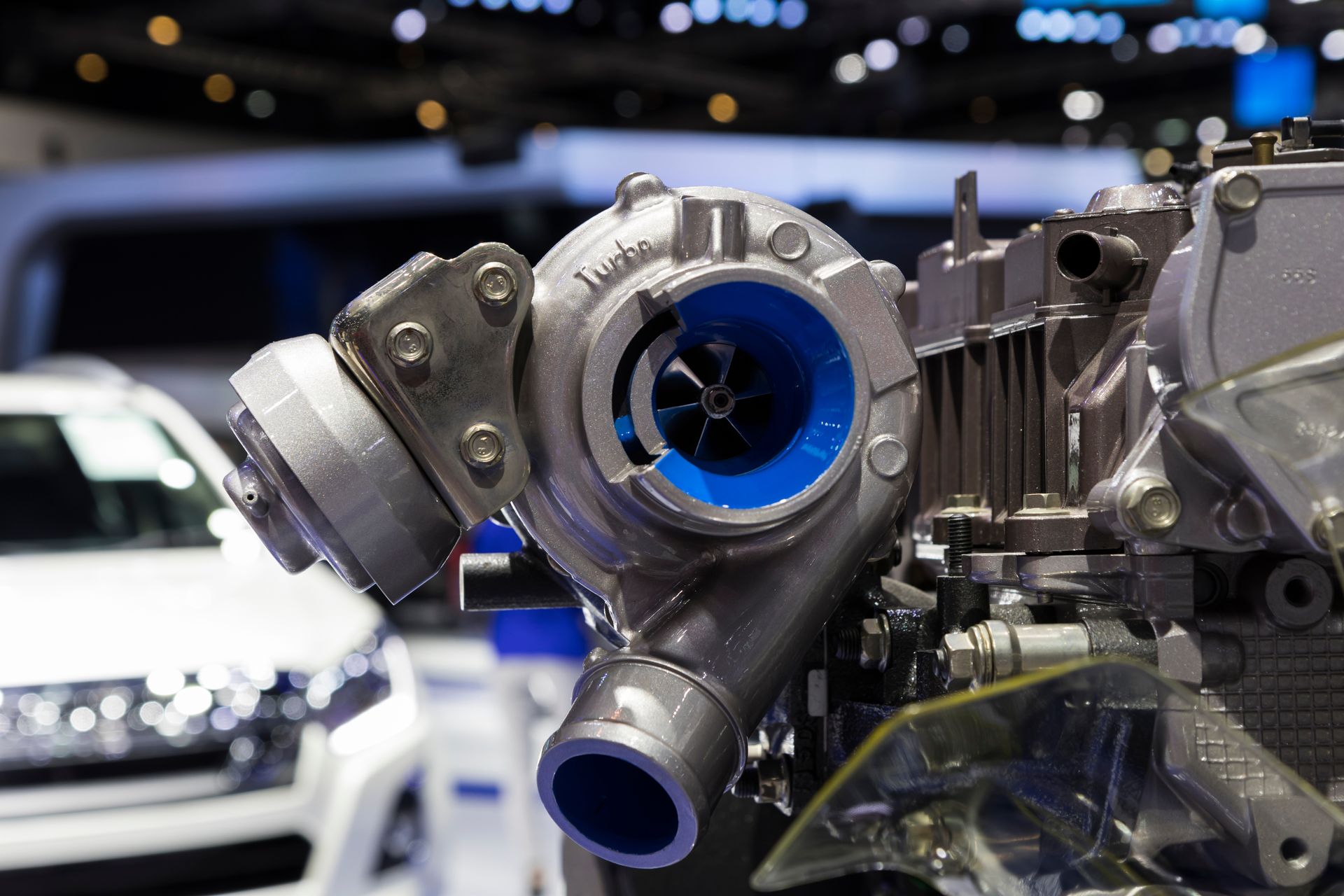
Loss of power can point toward airflow issues, ignition problems, turbocharger problems, fuel system trouble, sensor faults, transmission related concerns, or restricted exhaust flow. That is a wide range of possible causes, and many of them get worse if the vehicle keeps being driven hard.
If your car cannot accelerate the way it used to, especially when merging, climbing hills, or pulling away from a stop, that is not the kind of symptom we would recommend waiting on.
Strange Smells Start Coming From The Engine Area
Unusual smells are one of the biggest clues drivers overlook. A sweet smell may point toward coolant trouble. A burnt smell may suggest oil leaks, overheating components, or slipping belts. A fuel smell may point toward a leak or combustion related issue. A rotten egg smell can sometimes be tied to emissions system trouble or a failing catalytic converter.
The smell itself is not the diagnosis, but it is often the first clue that something under the hood is changing. At our shop, when a driver says the vehicle smells different and the smell keeps returning, we take that seriously.
A few smells that deserve fast attention include:
- Raw fuel smell
- Burning oil smell
- Sweet coolant smell
- Strong burnt smell
- Rotten egg odor from the exhaust area
Those are not normal background car smells. They are signs the vehicle needs a closer look.
Your Fuel Economy Drops Suddenly
A gradual change in gas mileage can be easy to explain away. Weather changes, more traffic, or a heavier foot on the gas pedal can all make some difference. But if fuel economy drops sharply and nothing else about your driving has changed, that often means the engine is no longer operating efficiently.
A bad oxygen sensor, misfire, fuel system issue, sensor problem, stuck thermostat, or air intake problem can all affect how much fuel the engine uses. The same is true for some emissions related faults.
When the car starts burning more gas for no good reason, diagnostics are often the fastest way to figure out why.
The Car Is Hard To Start Or Takes Too Long To Crank
If the engine is suddenly harder to start, cranks longer than normal, or feels inconsistent when you first turn the key or push the start button, that deserves attention. While some starting problems are battery related, others come from the engine or fuel system side.
A vehicle that is struggling to start may be dealing with sensor faults, fuel pressure problems, ignition issues, or internal engine management concerns. If the starting problem is paired with rough idle, poor performance, or a check engine light, diagnostics become even more important.
The Temperature Gauge Starts Acting Strange
Modern engines are designed to run within a pretty stable temperature range. If the temperature gauge suddenly starts running hotter than normal, fluctuating more than usual, or behaving inconsistently, it is smart to pay attention right away.
An overheating engine is not just a cooling system issue. If it gets too hot, it can cause serious engine damage. A gauge that starts acting differently is often your early warning before the bigger problem shows up. It is one of those symptoms where fast diagnostics can save you from a much more expensive repair later.
New Noises Show Up And Stay
Engines make plenty of normal sounds, but new noises that stick around are worth taking seriously. Knocking, ticking, hissing, popping, whining, or rattling can all point toward different kinds of trouble. The challenge is that sound alone rarely tells the whole story, and the same general noise can come from more than one cause. New engine related noises are a strong reason to schedule diagnostics rather than trying to outguess the sound on your own.
Warning Signs That Should Move To The Front Of The Line
Some symptoms deserve immediate attention because they carry a higher chance of damage or breakdown if you keep driving.
You should move quickly if you notice:
- A flashing check engine light
- Severe loss of power
- Heavy shaking or active misfiring
- Strong fuel or burning smells
- Overheating or rising temperature
- Hard starting that is getting worse
- Loud new engine noises
Why Diagnostics Matter More Than Guessing
At our shop, we see a lot of customers who have already tried to solve the issue themselves by replacing a part they hoped was the problem. Sometimes they get lucky. A lot of the time, the real cause is still there and now more money has been spent without fixing anything.
Good engine diagnostics save time because they focus on finding the actual reason the symptom is happening. That means testing, scanning, checking live data, and understanding how the full system is behaving. That approach is almost always better than guessing.
The Earlier You Catch It, The Better
This is really the biggest point. Engine problems almost never get cheaper by waiting. A small misfire can damage the catalytic converter. A minor coolant issue can become overheating. A fuel system issue can leave you stranded. A sensor problem can hurt fuel economy for months while the real cause goes untouched.
If your vehicle is showing warning signs, the smartest move is to listen early instead of waiting for a bigger failure to make the decision for you. Visit
DAS Auto Werks in Tampa, FL. We can perform proper engine diagnostics, find the real cause, and help you fix the issue before it turns into a larger repair.
Call us today or stop by to schedule an inspection.