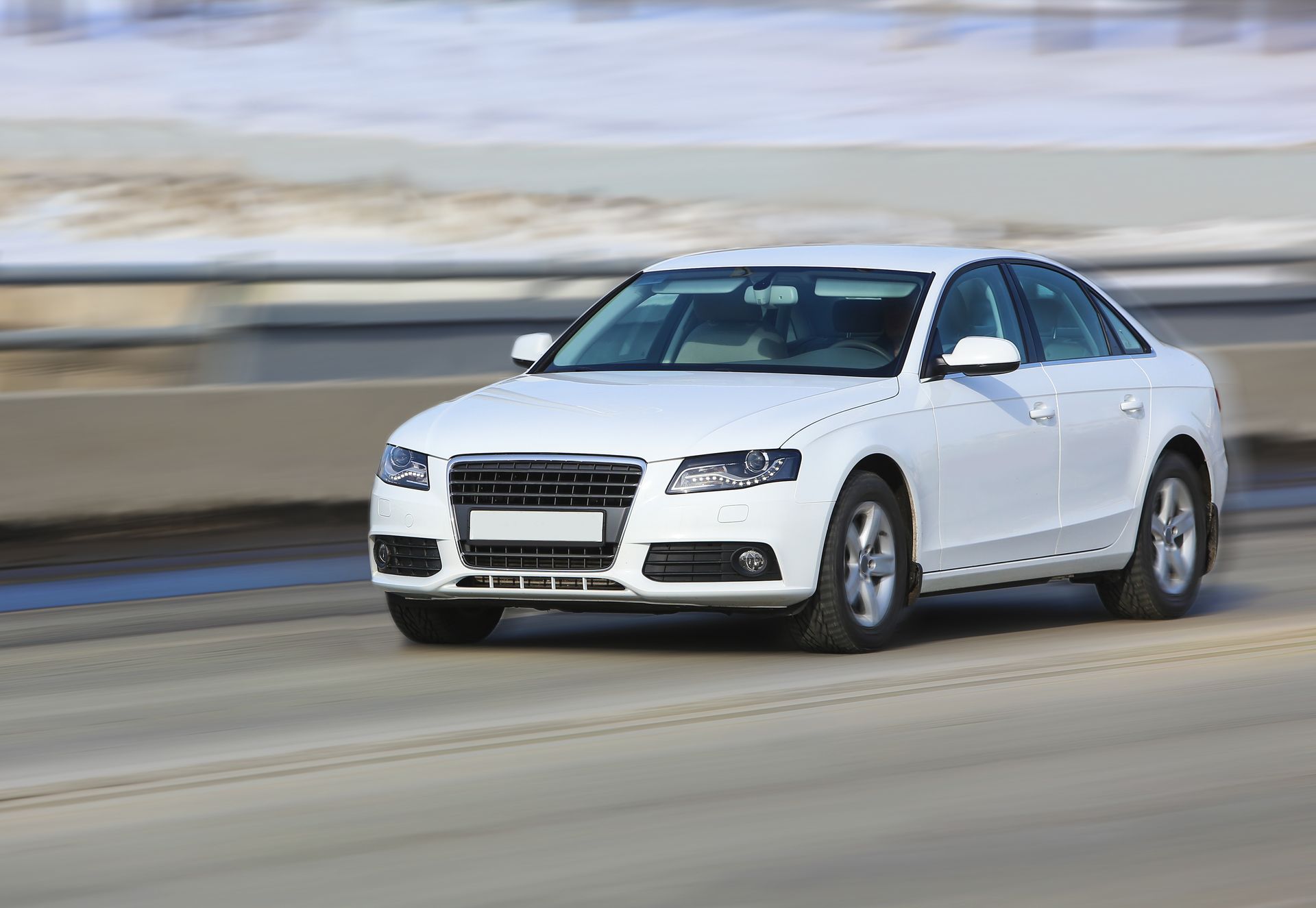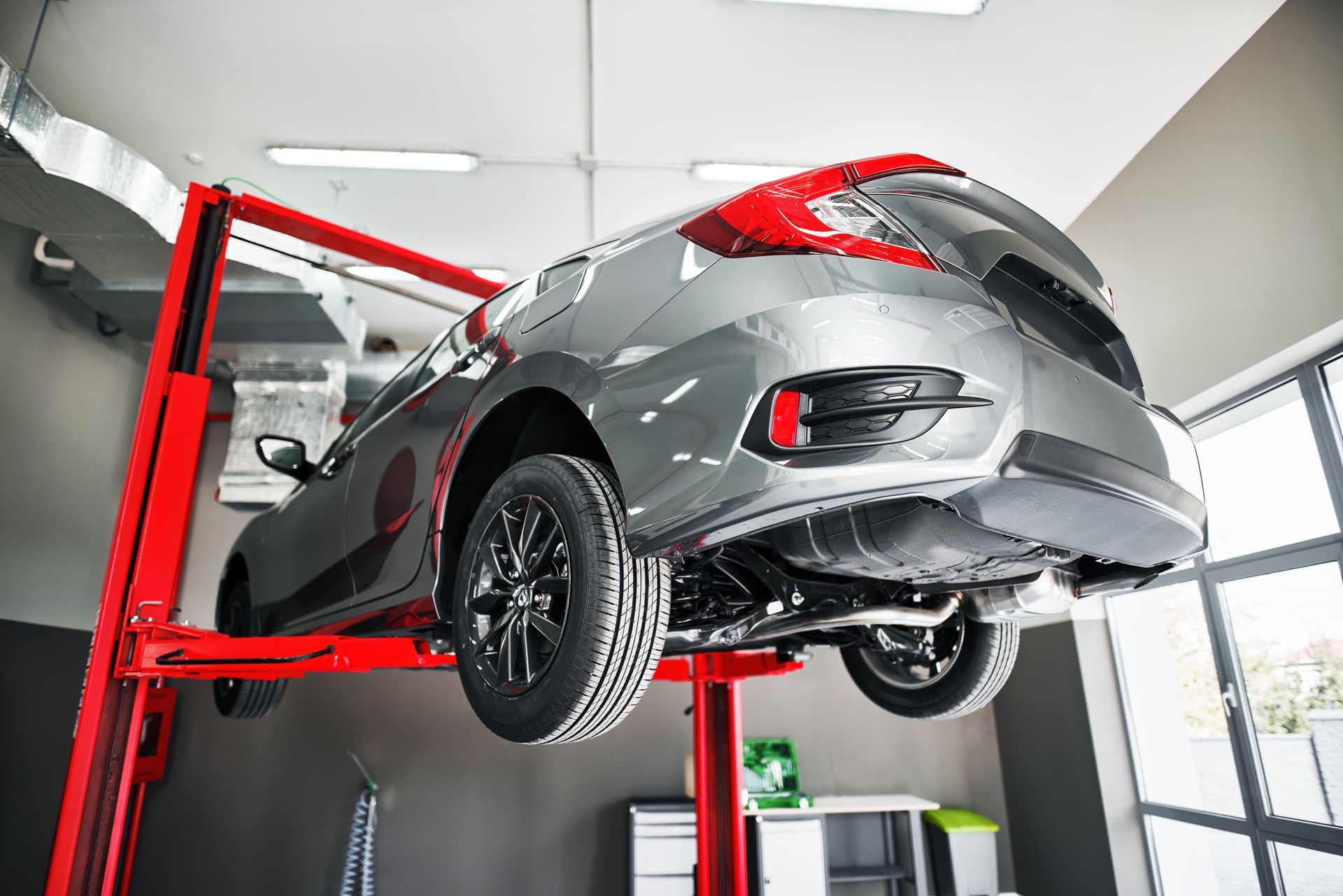
Rear-wheel drive separates two important jobs: the front tires mainly steer, and the rear tires deliver engine power. That layout gives vehicle designers useful options for handling, acceleration, and packaging. It's one reason it appears in many performance and luxury cars.
The choice also comes with trade-offs. Rear-wheel drive requires components to carry power toward the back of the vehicle, and traction depends on tires and conditions. At DAS Auto Werks, understanding the layout helps explain how your car feels and what maintenance it needs.
Rear-Wheel Drive and Balanced Handling
Sending engine power to the rear lets the front tires focus more on steering and braking. That supports a particular handling character, especially when the vehicle is designed around the layout from the start.
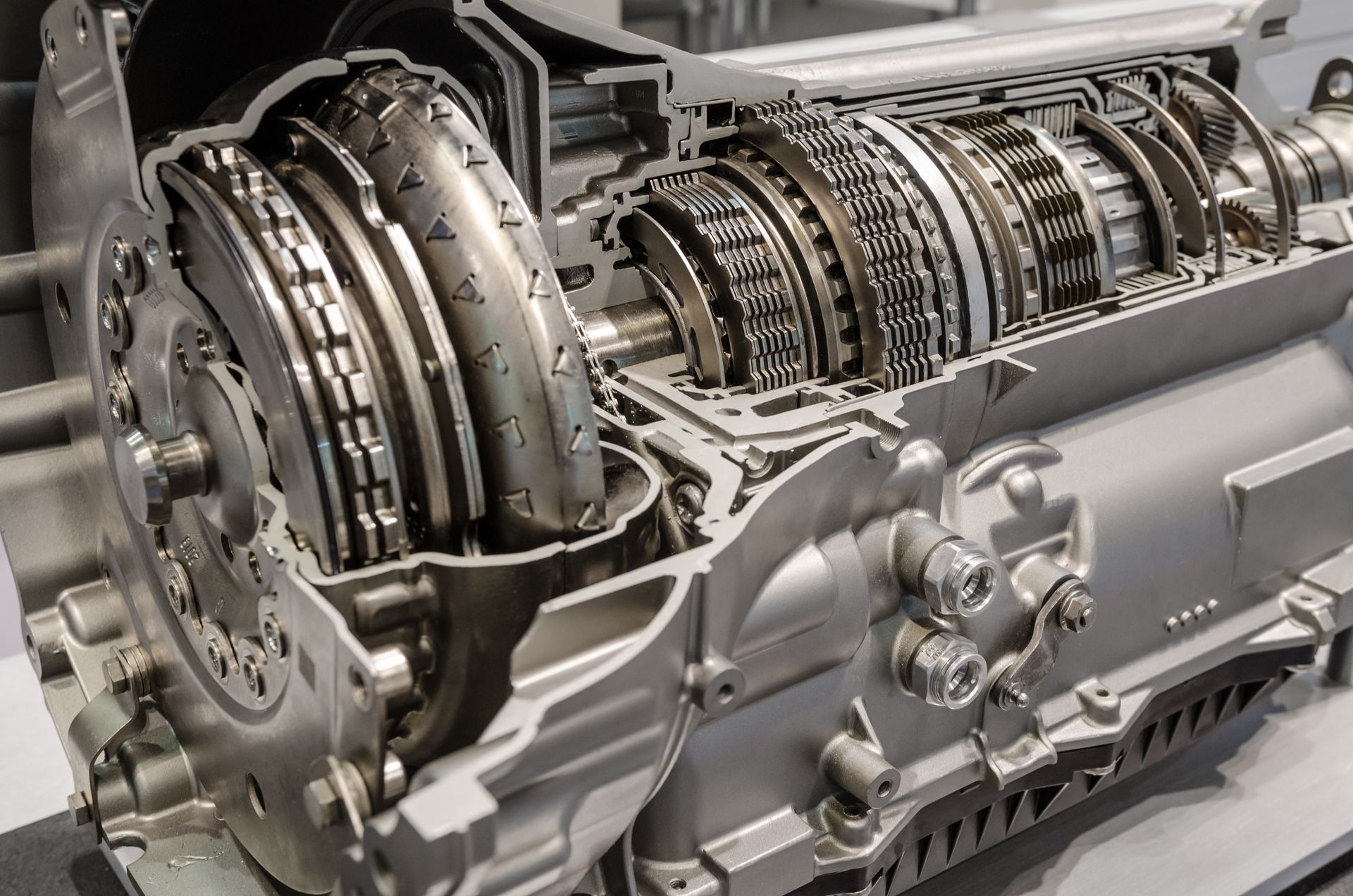
Many front-engine rear-drive cars position the engine lengthwise and place major drivetrain components along the center of the vehicle. Designers can use that arrangement to work toward their desired weight distribution. The actual balance still depends on the model, engine, body, and equipment.
Good handling comes from the complete car. Suspension geometry, tire choice, damping, and electronic controls all influence the result. Rear-wheel drive provides design possibilities; those other decisions determine how the vehicle uses them.
Why Rear-Wheel Drive Suits Strong Acceleration
During acceleration, weight transfers toward the rear of the vehicle. A rear-drive layout puts power through the tires, and with the right tires and suspension, it can carry that load for strong launches and useful traction under power.
Higher power also asks more of the driven tires. A rear-drive car can separate steering from much of the acceleration demand, which appeals to performance-focused designers. That's part of the reason the layout is familiar in American sports cars and many European performance models.
The available grip still sets the limit. A wet Tampa road, worn tires, or abrupt throttle input can make the rear wheels spin. Traction and stability controls help manage the response, while smooth driving and appropriate tires give them better conditions to work with.
Rear-Wheel Drive in Luxury Cars
Luxury vehicles often prioritize smooth power delivery, stable handling, and space for larger engines or drivetrain options. Rear-drive platforms can support those goals, including variants that add all-wheel drive.
The platform choice also reflects a manufacturer's development history and the models it wants to build on it. A sedan, coupe, and performance version might share a basic layout while receiving very different engines, suspension settings, and tires.
Rear-wheel drive isn't a requirement for refinement. Front-drive and AWD vehicles can also be comfortable and well engineered. The layout is one design choice within a larger plan for the vehicle's intended character.
Front-Wheel Drive and AWD Trade-offs
Front-wheel drive packages the engine and driven wheels near the front. That can save space and reduce some drivetrain complexity. It also places a large share of steering and power delivery demands on the same tires.
AWD lets you send power to more wheels. It improves acceleration traction in suitable conditions, with extra components and maintenance considerations. Systems based on rear-drive platforms differ from those built around a front-drive arrangement.
For everyday ownership, the useful question is how the complete vehicle fits your needs. Weather, passenger space, running costs, and driving preferences all belong in the comparison. A badge or drive layout alone tells only part of that story.
Rear-Wheel-Drive Maintenance Items
Depending on the vehicle, service checks include:
- Rear differential fluid and leaks
- Driveshaft joints or flexible couplings
- Drivetrain support bearings where fitted
- Engine and transmission mounts
- Rear suspension bushings and links
- Tire wear, pressure, and alignment
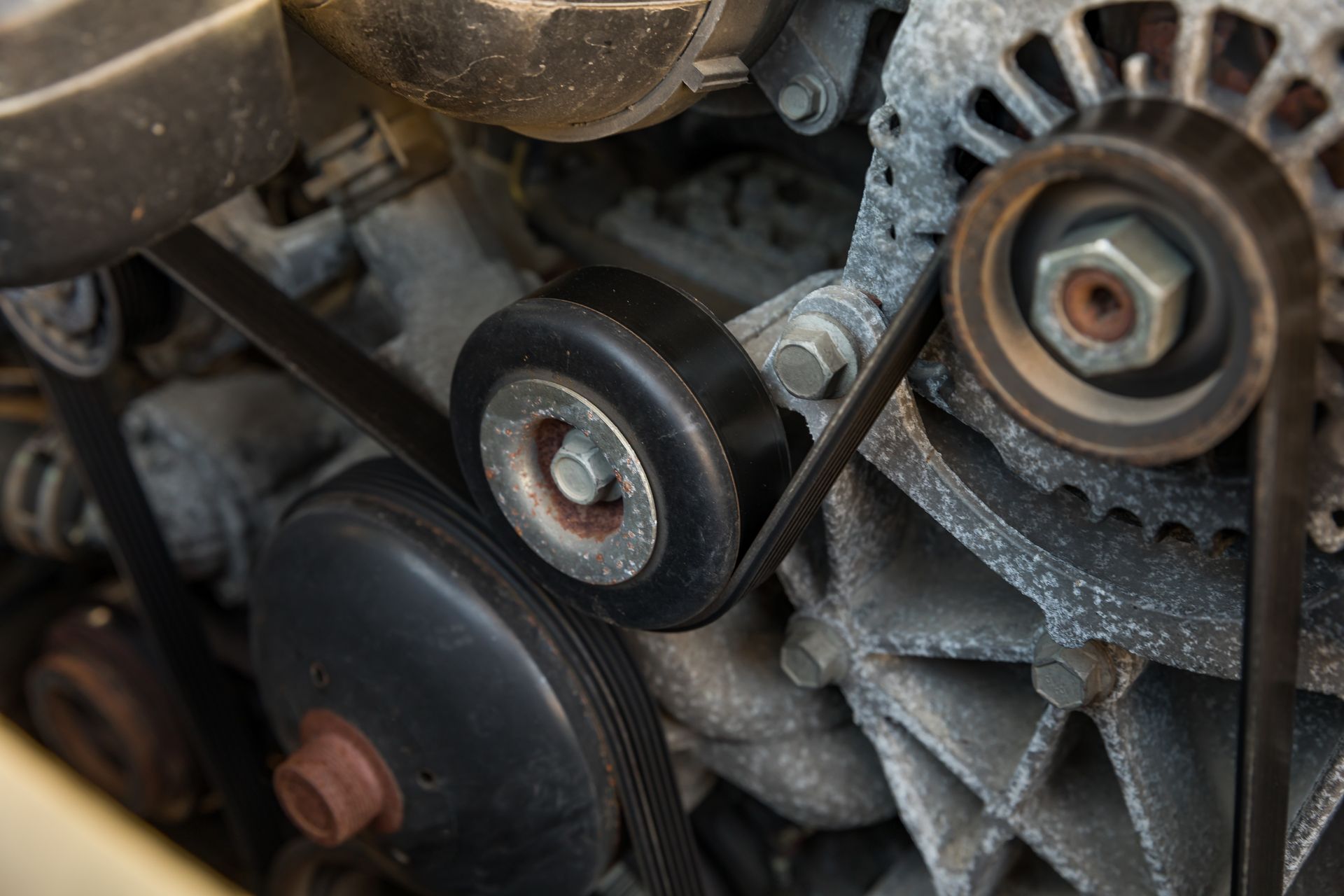
Those components handle years of torque, road loads, and temperature changes. A new clunk, speed-related vibration, or leak deserves a check. The exact maintenance schedule and inspection items come from your vehicle's design.
Keep fluid-service records and explain when a symptom appears. A clunk when selecting a gear and a vibration at steady road speed point toward different checks. That timing helps us inspect the system more efficiently.
Tire Wear on Rear-Wheel-Drive Cars
The driven rear tires can wear differently from the front pair. Rotation helps spread wear where the tire and wheel setup allows. Some performance cars use different front and rear sizes, which restricts the possible pattern.
Matching specifications and suitable placement of replacements support stable handling. Rear tire condition deserves particular attention because those tires transmit power and influence how the car behaves during acceleration.
Alignment also protects the tread. Inner-edge wear is easy to miss from beside the car, especially with wide wheels. Measuring across the tire during service shows the condition that a quick outside glance overlooks.
Driving a Rear-Wheel-Drive Car on Wet Roads
Use smooth throttle and steering inputs when grip is reduced. Slow down before curves and keep the stability system operating as the manufacturer directs. Tires need enough available grip for turning, braking, and acceleration during the same maneuver. If the car feels newly unsettled on familiar roads, arrange an inspection. Tire damage, pressure, alignment, and suspension wear all deserve review. A gradual change in handling is easier to address before it becomes a surprise during rain.
Rear-Wheel-Drive Vehicle Service at DAS Auto Werks
DAS Auto Werks in Tampa, FL, can review your vehicle's drivetrain, tires, and suspension. Describe any vibration, clunking, or change in handling and bring your maintenance history so we can discuss the checks and service needed.
Schedule vehicle service with
DAS Auto Werks to keep your rear-wheel-drive car responding the way it should.